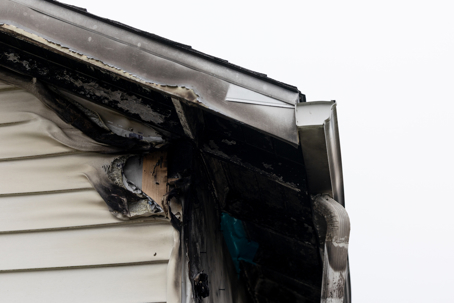
A home does not have to burn down to suffer serious wildfire damage. Smoke, soot, and ash can travel far beyond the flames, entering homes that remain structurally intact and leaving behind contamination that may require extensive cleaning, remediation, or replacement of damaged materials.
For homeowners, this can raise a frustrating question: Can you file a wildfire smoke-damage claim if your house never actually caught fire?
In California, smoke and ash contamination may qualify as covered property damage even without visible burn marks. Depending on the cause of the wildfire, homeowners may also have legal options beyond their own insurance policy.
Does Homeowners Insurance Cover Wildfire Smoke Damage?
California fire insurance policies generally provide coverage for fire-related losses. That can extend beyond damage caused directly by flames.
Wildfire smoke can carry soot, ash, chemicals, and other particles into a home. These contaminants may settle into carpets, drywall, insulation, furniture, HVAC systems, and other surfaces. In some cases, professional remediation is necessary before a home can safely be occupied again.
Insurance disputes often center on whether this contamination qualifies as “direct physical loss or damage.” Insurers may argue that a structurally intact home has not suffered physical damage, particularly when contamination is not readily visible.
However, the absence of burned walls or visible destruction does not necessarily mean there is no covered loss. Evidence showing that smoke, soot, or ash physically contaminated the property can become critical to a wildfire insurance claim.
How Can You Prove Wildfire Smoke Damage?
Documentation can make a significant difference when an insurance company questions or denies a smoke damage claim.
Homeowners may have evidence such as photographs or videos of ash and soot, dirty HVAC filters, residue on surfaces, and communications with contractors or insurance adjusters.
Professional testing can be particularly important when contamination is not easily visible. Certified industrial hygienists and environmental testing professionals may conduct air or surface testing to identify soot, ash, heavy metals, or other combustion-related contaminants.
Professional remediation estimates can also help establish what is necessary to restore the property rather than simply masking smoke odors or performing basic cleaning.
The issue is not merely whether a home smells like smoke. The stronger question is whether objective evidence demonstrates that wildfire-related contaminants entered the property and caused physical damage requiring remediation.
Can Insurance Cover Temporary Housing After Wildfire Smoke Damage?
If smoke or ash contamination makes a home unsafe or unsuitable for occupancy, a homeowner's policy may cover additional living expenses.
Depending on the policy and circumstances, this coverage may help pay for expenses such as temporary housing, increased food costs, storage, transportation, laundry, or pet boarding while the home is being evaluated or remediated.
Keeping receipts, inspection reports, professional recommendations, and other documentation can help establish why displacement was necessary and what additional costs resulted.
What If an Insurance Company Denies a Wildfire Smoke Claim?
An insurer has the right to investigate a wildfire claim, but a denial does not necessarily end the matter.
A dispute may arise when an insurance company claims there is no physical damage because the home did not burn, refuses to consider professional testing, offers an amount that does not cover the cost of appropriate remediation, or delays payment for covered losses.
California homeowners may have additional protections under state insurance laws governing fire coverage. The specific policy language, evidence of contamination, and the insurer’s handling of the claim can all affect the options available.
Can You Have a Claim Against the Company That Caused the Wildfire?
Insurance is not always the only potential source of recovery.
Some major California wildfires have led to litigation against utility companies and other parties accused of causing or contributing to the fire. When another party’s negligence caused a wildfire, affected homeowners may potentially have a separate claim for losses that are not fully covered by insurance.
This means a homeowner could potentially have both a first-party insurance claim and a third-party wildfire lawsuit. These claims involve different legal issues and may provide recovery for different types of losses.
What Should Homeowners Know About Wildfire Smoke Claims?
Smoke damage can be difficult to evaluate because the most serious contamination may not be immediately visible. A home can remain standing while soot, ash, and other wildfire contaminants have entered areas that require professional testing and remediation.
For homeowners facing an insurance denial, inadequate remediation offer, or losses connected to a wildfire that may have been caused by negligence, understanding the full scope of the damage is important.
Matthews & Associates represents wildfire victims in complex claims involving property damage and large-scale corporate negligence. If wildfire smoke or ash has contaminated your home, a conversation with an experienced wildfire attorney can help clarify the potential paths available for pursuing recovery.